
Signs of School Refusal: How to Spot Early Warning Signals in Children
Struggling with a child who refuses school? Identify early signs, understand school anxiety, and learn steps to help your child regain confidence and attendance.
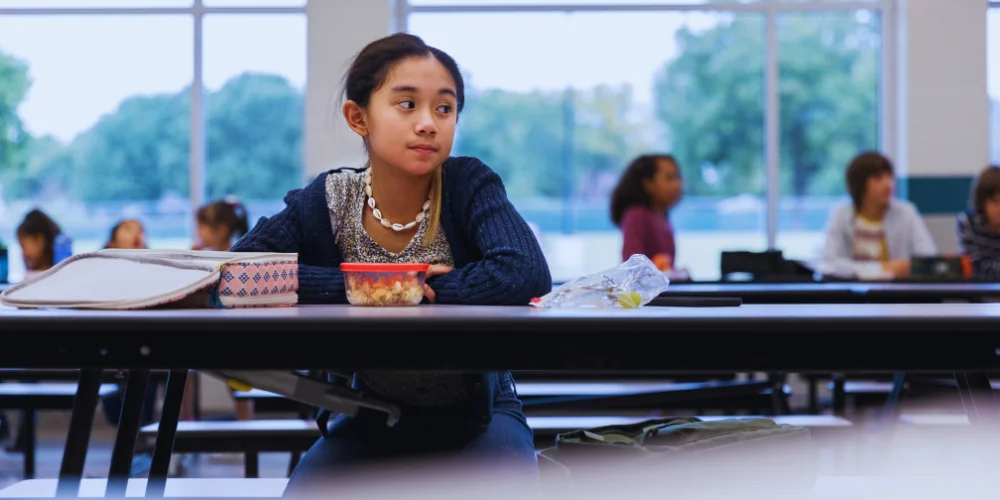
It is a school morning, and your child refuses to go. They may be upset, complaining of feeling sick, or completely shutting down. You try to help, but nothing seems to ease the situation.
It is easy to wonder, is this just a phase or something more? Many parents start searching for the signs of school refusal when this becomes a pattern.
The truth is, you are not alone. This is more common than it feels. In this guide, you will learn what to look for and when to take it seriously.
What Is School Refusal?
School refusal is when a child struggles to attend school because of emotional distress, often anxiety.
It is also known as emotionally based school avoidance, meaning the behaviour is driven by feelings, not choice.
It is important to understand:
It is not defiance
It is not laziness
It is often linked to anxiety
Unlike truancy, where a child skips school without parents knowing, school refusal usually happens with parents fully aware, and the child is often upset about it.
Early Signs of School Refusal (Subtle Warning Signs)
School refusal often doesn’t start suddenly. It usually builds slowly, with small signs that are easy to miss or brush off as normal behaviour. Catching these early can make a big difference.
Increased reluctance to go to school
Your child may start complaining more about school or seem less willing to go. They might say they do not like it, feel bored, or ask to stay home more often. At first, it can seem minor, but if it becomes frequent, it is worth paying attention.
Frequent “I feel sick” complaints (especially in the morning)
Many children say they feel unwell before school. This can include stomach aches, headaches, or feeling tired. These symptoms are real, but they are often linked to anxiety, especially if they improve later in the day or when staying home.
Trouble sleeping before school days
You might notice your child struggling to fall asleep on school nights. They may feel restless, ask to stay up longer, or wake during the night. Anxiety about the next day can quietly build in the evening.
Clinginess or separation anxiety
Your child may become more attached to you, especially in the mornings. They might follow you around the house, struggle to separate at the door, or need extra reassurance before school.
Avoidance behaviours (delaying and distractions)
Simple routines may suddenly take much longer. Getting dressed, packing a bag, or eating breakfast can turn into delays. Your child might distract themselves, avoid tasks, or find reasons to postpone leaving the house.
These early signs are often overlooked because they can seem like normal childhood behaviour. But when they start to happen regularly, they can be the first indicators that your child is struggling more than it appears on the surface.
Emotional Signs of School Refusal
Anxiety about school situations
Worry about classes, teachers, or social interactions.Fear of embarrassment or failure
Concern about making mistakes or being judged.Mood swings or irritability
Becoming easily upset, especially on school days.Low confidence or self-doubt
Saying things like “I can’t do it” or “I’m not good enough.”Withdrawal from conversations about school
Avoiding or shutting down when school is mentioned.
These school anxiety signs often show what a child is feeling internally, even when they cannot explain it.
Physical Symptoms of School Refusal
Stomach aches
Complaints of pain, especially before school.Headaches
Often appear in the morning and ease later.Nausea
Feeling sick or saying they might be unwell.Shaking or dizziness
Signs of anxiety showing up in the body.Symptoms improve when staying home
They feel better once school is no longer expected.
Important: These symptoms are real, not fake. The body reacts strongly to anxiety, even when there is no illness.
Behavioural Signs of School Refusal
Refusing to get dressed or leave the house
Daily routines become a struggle.Meltdowns before school
Crying, panic, or emotional outbursts.Hiding, locking doors, or shutting down
Avoiding school in extreme ways.Asking to stay home frequently
Repeated requests to miss school.Missing an increasing number of school days
Absences start to build over time.
These behaviours are often a clear sign that your child is struggling and needs support, not pressure.
When Do Signs Become a Serious Concern?
Missing more than 10% of school days – persistent absences matter.
Escalating anxiety or panic attacks – fear is increasing, not easing.
Physical symptoms are becoming frequent – stomach aches, headaches, or nausea happen more often.
Refusal lasting more than 2 weeks – patterns are becoming entrenched.
Impact on friendships or mood – social or emotional well-being is affected.
This is a turning point for action. Early attention makes a big difference.
Why These Signs Shouldn’t Be Ignored
Patterns get harder to reverse over time.
Anxiety may increase if left unaddressed.
Attendance gaps can affect confidence and learning.
Early support makes recovery easier and faster.
What To Do If You Notice These Signs
Stay calm and avoid power struggles.
Listen without judgment – let your child express their fears.
Look for patterns and triggers behind refusal.
Avoid forcing sudden full attendance.
Start with small, manageable steps.
Helpful guidance, but recovery usually requires structured support.
The Good News: School Refusal Can Be Reversed
Recovery is possible for most children.
Progress happens step by step – small wins matter.
Confidence and coping skills can be rebuilt gradually.
Many children successfully return to school and thrive.
If you’re noticing these signs in your child, there is structured support available. The Jules Waller School Refusal Toolkit offers a parent-led, step-by-step framework designed to reduce anxiety and rebuild school confidence. Created from lived experience, it helped one family navigate 100+ missed school days, leading their child to thrive at university. Small, guided steps make recovery possible.
FAQs
What are the first signs of school refusal?
Early signs often include reluctance to go to school, frequent “I feel sick” complaints in the mornings, trouble sleeping, clinginess, and avoidance behaviors. Noticing these subtle patterns early helps prevent the issue from escalating.
Is school refusal linked to anxiety?
Yes, school refusal is often strongly connected to anxiety, including separation anxiety, social fears, or fear of failure. Children are coping with emotional distress rather than acting out or being lazy.
How do I know if my child is refusing school?
Look for consistent patterns like escalating morning distress, physical symptoms that ease at home, emotional withdrawal, or frequent requests to stay home. These behaviors are usually more than just occasional reluctance.
Can school refusal get worse over time?
Yes. Without early intervention, anxiety and avoidance can increase, making returning to school more difficult. Persistent absence also affects confidence, social skills, and academic progress.
What should parents do first?
Start by staying calm, listening without judgment, observing patterns, and taking small, manageable steps toward attendance. Avoid sudden pressure and consider structured support to guide recovery.
school refusal
school anxiety
school refusal help
nervous system
co-regulation
teen anxiety
kids anxiety
school struggles
parenting anxious kids
Explore More
Apr 2, 2026
School Anxiety and Refusal: Early Signs You Shouldn’t Ignore
Read More
Mar 31, 2026
How Long Does School Refusal Last? Signs, Timeline & Recovery Tips
Understand the duration of school refusal and how parents can support children struggling with anxiety, emotional distress, or avoidance at school.
Read More

Mar 31, 2026
OCD and School Refusal: Understanding the Link in Children
Learn how OCD can contribute to school refusal in children. Discover common signs, emotional struggles, and practical steps parents can take to support their child.
Read More


